


Fishing Report For DeGray Lake, AR


By Rick Seaman
Last updated on .
Fishing Reports
Popular Fish Species DeGray Lake, AR
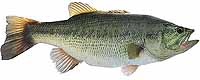
Largemouth Bass
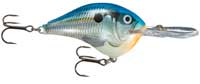
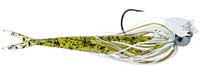
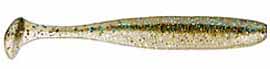
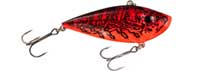
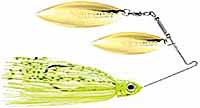
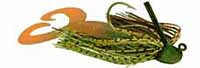
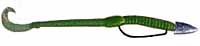
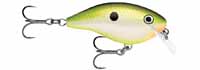

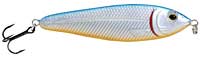
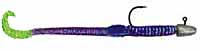
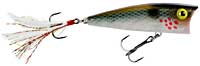
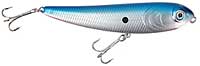

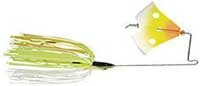

Current Report: Good To Very Good
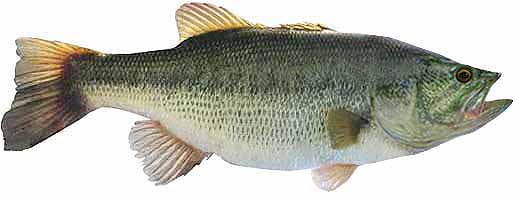
If you like catching big bass, you will love what's being reported at DeGray Lake. An 11-pound, and a 12-pound bass have been weighed in recently, and quality bass are being caught quite regularly.
FALL. Now that late Fall taking over, bass are moving out of shallow coves and shallow bays, following schools of baitfish back into 8 to 20 feet of water. Fishing around DeGray Lake Resort State Park, the Iron Mountain Recreation Area, and the mouths of Mine Creek and the Caddo River, is good. Currently jerkbaits, deep-diving crankbaits, slow-rolled spinnerbaits, artificial worms, spoons and jigs are catching most of the bass. Later in Fall, as deeper water cools, bait and bass move out to ledges, channel edges, points and humps where flutter spoons, jigs and drop shots are often good choices in 12 to 20 feet of water.
WINTER. Winter will isolate largemouth around slightly deeper structure, flats, points and creek channels. They can be found from 15 to 35 feet deep, around main-lake channel edges, rock piles, stump fields, brush piles and AGFC artificial fish attractors. Here they hold, feeding less frequently, awaiting warmer water to return in Spring. Slow presentations are key to getting bites. On warmer days, especially during late afternoons, bass may move shallower to feed.
SPRING. Once water temperatures rise into the low 60's, largemouth will move from deep wintering holes, to shallower water nearby spawning areas. Anglers report good topwater action from mid Spring through Summer, especially early in the morning, and on cloudy days. Vibrating jigs, jerkbaits and spinnerbaits typically get bites just away from the shoreline. At this time they are feeding aggressively in about 2 to 12 feet of water, and preparing for the spawn. Once water warms into the mid to high 60's, they will move into 2 to 8 feet of water, and create nests, then lay their eggs. A popular for spawning is the shallow flats and docks around DeGray Lake Resort State Park. Immediately after spawning, females move to deeper water and males remain to guard the eggs, and then the fry. After a couple weeks, the males also move to slightly deeper water, around 6 to 18 feet deep. Deep-diving crankbaits, vibrating jigs, plastic worms, jigs, worms, and swimbaits catch bass during this period.
SUMMER. Water temperatures will warm considerably in Summer. Bass will feed shallow, early and late in the day, where they will be caught in 2 to 8 feet of water, on topwater lures, square-bill crankbaits, spinnerbaits and a variety of other lures. Wacky-rigged stick worms always catch finicky bass when the bite is slow. Largemouth bass here feed on shad, herring, small sunfish and crawfish. During the hotter parts of the day, they are being caught on points, channel edges, and ledges 10 to 25 feet deep. Some of the best reports seem to be from anglers fishing around drop offs, brush piles, deeper ledges, main-lake points and AGFC fish attractors.
.
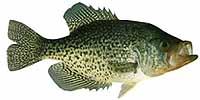
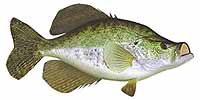
Black & White Crappie
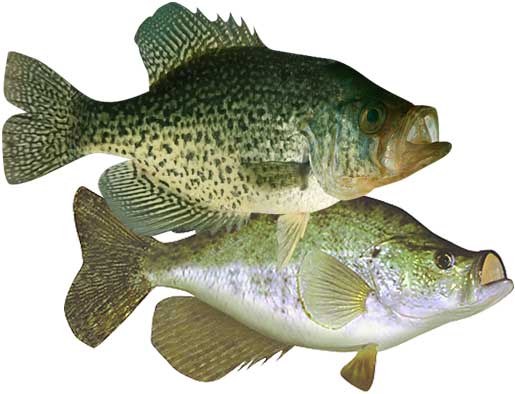


Current Report: Fair To Good
Crappie fishing has been decent, and has started picking up here lately. Many local anglers focus on the area around DeGray Lake State Park Resort.
FALL. Baitfish, which are moving out of shallow flats, coves and bays, are drawing crappie into deeper water. They are feeding heavily in preparation for the cold Winter, in 8 to 20 feet of water. Minnows, hair jigs, and crappie jigs, are good options during this feeding marathon. Late fall starts the migration deeper, toward winter holding areas, for both crappie and baitfish. Small flutter spoons, fished in 15 to 25 feet of water, are a good option during this transition. Good results are coming from anglers fishing the spillway area at the dam, Willows Point, Point Cedar, Arbuckle Island, and around the mouths of Mine Creek and the Caddo River arm.
WINTER. Once the shallows start cooling rapidly, crappie will migrate to deeper holding areas, mostly off shore. At this time they are typically caught using a very slow presentation, in 15 to 35 feet of water. Most are caught around deep brush piles, creek channel bends, submerged timber, and main-lake structure. If they are suspending in open water, they often relate to some cover, or structure change, directly below them. During warming trends, especially warm afternoons, they are drawn into 10 to 15 feet of water to feed.
SPRING. In early Spring, crappie begin staging in 8 to 18 feet of water, just outside spawning bays and shallow flats. Spring is prime time to be on the water, as both black crappie and white crappie have moved shallow to spawn. At that time, they are typically caught in 2 to 10 feet of water. Vegetation, docks, brush and wood are where most anglers catch crappie using small crappie jigs or live minnows. After the spawn, crappie typically move outside the spawning area and hold on cover close by, in 12 to 20 feet of water. Early and late in the day they may be caught in 3 to 8 feet of water. Once they move deep, anglers report success using fish finders and forward facing sonar to locate schools of crappie, which tend to stack vertically around cover. Light tackle, with 4 lb to 8 lb line, is a popular choice.
SUMMER. Water temperatures get quite warm, and crappie fishing is usually pretty good. They feed in 4 to 12 feet of water early and late in the day, until the hot Summer sun causes them to retreat to depths of 12 to 25 feet. Also, a few have embedded in the shade of slightly shallower vegetation. Lots of crappie are caught in Summer around AGFC fish attractors and brush piles scattered around the main lake. Anglers are also locating schools of crappie hanging over deep structure and around creek channel edges, using fish-finder electronics.
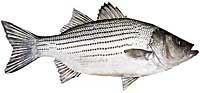
Hybrid Striped Bass
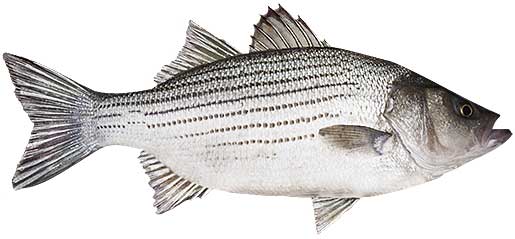

Current Report: Good
Hybrid stripers in DeGray Lake tend to favor open water, especially deeper water. They migrate from the Caddo River inflow end of the lake in Spring, to the area around the dam for Summer, Fall and Winter.
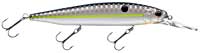
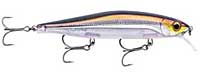
FALL. Currently, hybrid stripers have returned to deeper water, favoring the lower end of the lake. Early in the day wipers chase bait to the surface and feed aggressively, making this an excellent time for topwater action. Mid day they move into 10 to 25 feet of water. Look for structure nearby deeper sections in channels, and fish them thoroughly. Most any lure that resembles shad is catching wipers at this time of year.
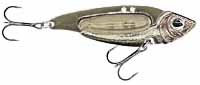
WINTER. In Winter, hybrid stripers again hang out in deeper water and feed close to the bottom, often 25 feet deep or deeper. Warm afternoons occasionally draw stripers shallower, so look for them around the 4 to 15-foot range as they feed on roaming schools of gizzard shad. In Winter it is important to locate schools of bait, then look for wipers schooling below the bait. Fish finders, and forward facing sonar, are a big help in locating these roaming schools. Nice fish are being caught while trolling or drift fishing. Spoons, swimbaits, blade baits, crankbaits, live bait and cut bait are typically effective this time of year. Due to slower metabolism, anglers are triggering more strikes as deep as 30 feet, by making slower presentations.
SPRING. When water temperatures rise into the mid 60's now, it's the ideal time for hybrid stripers to spawn. There are plenty of hybrids averaging 2 to 3 pounds, with an occasional 5-pound plus fish being caught. In Spring, work wind-blown points, creeks, and the upper end of the lake if there is inflowing water. If they spawn, they will lay eggs in flowing water. Look for deeper holes in the river channels, as they are a good holding place for hybrid stripers after the spawn.
SUMMER. In Summer, these wipers typically hang out in 12 to 30 feet of water, staying close to schools of bait. Sometimes during the heat of the day they move close to the bottom. Morning often draws hybrid stripers to much shallower water, so look for them around the 3 to 12-foot range as they feed on shallow on roaming schools of threadfin shad and gizzard shad. The AGFC fish attractors and brush piles scattered around the main lake, draw wipers because of the baitfish using this cover. Being successful at fishing for stripers in Summer is a matter of locating schools of bait, and the wolf packs of wipers are likely to be nearby. Fish finders, and sonar electronics, are a big help in locating these roaming schools. Nice wipers are being caught by casting, trolling or drift fishing. Spoons, blade baits, crankbaits, live bait and cut bait are all effective here.
Fishing Video
Fish species to fish for...
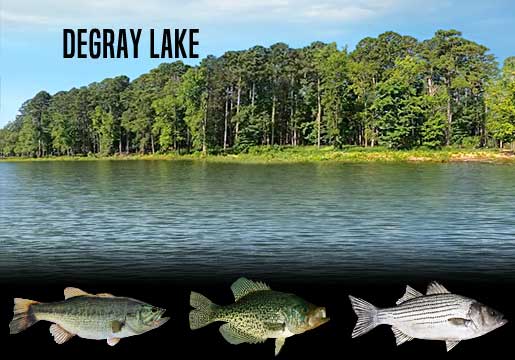
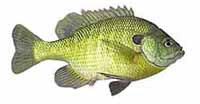
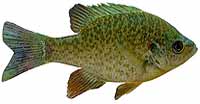
Guide to fishing for largemouth bass, channel catfish, black crappie, white crappie, bluegill, redear sunfish and hybrid striped bass at DeGray Lake in Arkansas.
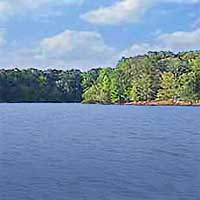 DeGray Lake, a 13,800-acre lake with over 200 miles of shoreline. Fishing options include crappie, largemouth bass, catfish, crappie, sunfish and hybrid stripers. Areas for fishing from the bank can be found at numerous locations around the lake.
Primary fish species to catch
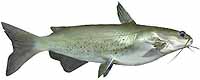
Click images for fishing tips and details about each species.
Today's Weather & Forecast
Public Boat Launch Ramps & Landings
Click here for boat ramps.
Marinas
Click here for marinas.
Fishing License
Click here for a Arkansas Fishing License.
Map - Fishing & Access
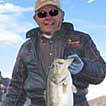 Rick Seaman is a fishing enthusiast with over five decades of fishing experience, a retired tournament fisherman, author of numerous published articles on fishing, and co-author of the book "Bass Fishing - It's not WHAT you throw, It's WHERE you throw it".
 Contact Information
DeGray Lake State Park Resort Marina
367 State Park End Rd
Bismarck, AR 71929
501 865-5840
Fishing lakes in each state


112025
DeGray Lake, AR Report
ARKANSAS
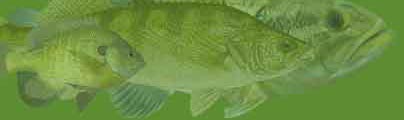

Fishing for bass, catfish, and hybrid stripers in central AR.
