
Fishing For Catfish In Alabama


Guide to fishing for flathead, blue, white and channel catfish in AL.
2024 Catfish Fishing Options
Best Catfish Fishing In Alabama
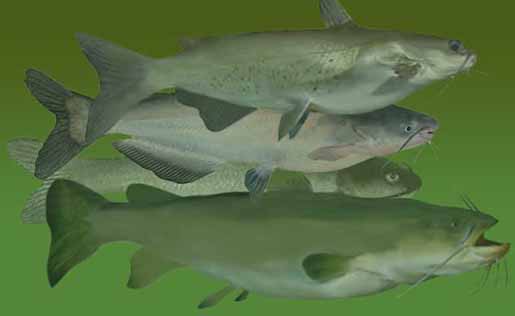
Alabama presents ideal conditions for growing catfish, and most waters in the state have one or more species of catfish. Rivers are an ideal environment for growing monster catfish. Often ponds and small lakes are stocked with one or more species of catfish, making them a great place to take kids fishing.
Catch More Catfish
Generally, catfish are considered bottom feeders. They will generally eat anything they can get in their mouth. Their strongest sense is the sense of smell, which they use to locate potential food sources. Capitalizing on this sense is the primary weapon in your endeavor to catch catfish. Aggressive catfish have also been caught on most types of fast-moving bass lures, so don't under estimate their ability to catch live bait. Adult catfish range in size from less than a pound to hundreds of pounds, and are found in all types of water including ponds, streams, lakes and rivers throughout Alabama. Bigger catfish can put up a very noble fight once hooked.
While there are many good choices for destinations to catch catfish in Alabama, some of the most popular lakes include Wilson Lake, Pickwick Lake, Walter George Reservoir and Lake Martin. In addition, river systems with nice populations of catfish include the Alabama River, Tallapoosa River, Coosa River, Tombigbee River and others.
Catfish Fishing Video
2024 Catfish Fishing Options
How To Fish For Catfish In Alabama
Fishing for catfish is an art that requires a keen understanding of the fish's behavior. To successfully locate catfish, target areas with ample cover and structure, such as submerged logs, rocky outcrops, and underwater vegetation. When this cover is located near a river channel or drop-off, it enhances the chance of holding catfish. These environments provide shelter and ambush points, making them prime hunting grounds for savvy anglers. Additionally, catfish are known to congregate near deep holes, bends in rivers, and underwater channels, where they can find food and refuge from strong currents.
Once a promising location has been identified, anglers can employ a variety of techniques to entice and catch catfish. One of the best ways to fish for catfish is by using natural baits such as nightcrawlers, small fish, chicken livers, or stink baits, which can emit powerful scents that attract catfish from afar. Bottom fishing with a slip sinker rig or a Carolina rig allows anglers to present their baits effectively in catfish territory. Patience is key when catfishing, as these bottom-dwelling predators may take their time investigating before committing to a bite. By mastering the art of catfishing how to, anglers can increase their chances of landing a trophy-sized catfish.
Best Tackle For Catfish Fishing
Whether you prefer spinning reels or baitcasting reels, be sure to use a stout, quality fishing rod. Medium-heavy or heavy action rods in the seven-foot range tend to be ideal. Most rod manufacturer offer rods specifically designed for catfish fishing. Spool your reel with 15-to-50-pound monofilament, fluorocarbon or braided line, depending on the size and types of catfish you expect to encounter.
Best Baits For Catching Catfish
When it comes to bait selection for catfish fishing, anglers have a wide array of options to choose from. Natural baits such as live bait, nightcrawlers, chicken livers, and cut bait are perennial favorites among catfish anglers. Stink baits are also highly effective at attracting catfish, particularly in muddy or murky waters where visibility is limited.
Fishing For Channel Catfish In Alabama
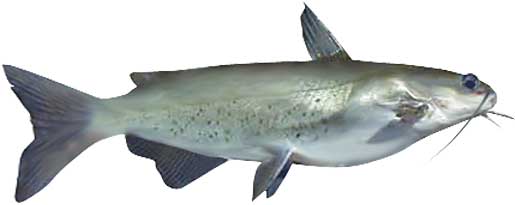
One of the most common catfish species in the state is the channel catfish. Known for their voracious appetite and strong fighting abilities, channel catfish can be found in various bodies of water throughout the state. Anglers can fish throughout most areas of a typical lake, including the main lake, coves and the river end of the lake. Use a slip sinker or Carolina rig with standard catfish baits.
Fishing For Flathead Catfish In Alabama
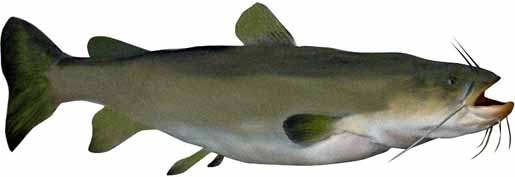
Flathead catfish are known for feeding in river systems, particularly in areas where the river flows into a lake. They grow to be giants, have a big appetite and powerful fighting abilities. Focus on the river end of lakes throughout Alabama, and up into the river itself. Look for any type of cover or channel swings that they can use to deflect current. Use slip sinkers or Carolina rigs with standard catfish baits.
Fishing For Blue Catfish In Alabama
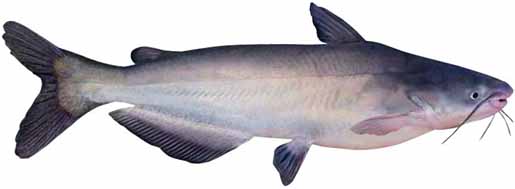
Blue catfish, prized for their size and fighting prowess, are a popular species among Alabama catfish anglers. Blue catfish can reach trophy proportions in many waters across the state. They are typically found in larger rivers and reservoirs. They prefer deep, swift-moving waters with ample cover such as submerged logs, rock formations, and underwater ledges. Their feeding preferences lean towards live prey such as shad, sunfish, and other small fish. Anglers target them using live bait, cut bait, or even large artificial lures designed to mimic their preferred forage.
Fishing For White Catfish In Alabama
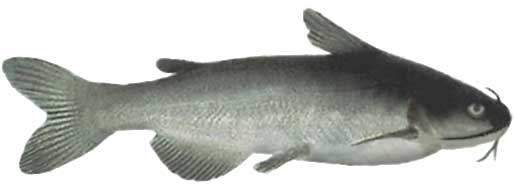
Alabama is also home to the white catfish, a smaller species compared to other catfish. White catfish can be found in various rivers and reservoirs throughout the state. They thrive in areas with abundant aquatic vegetation, submerged logs, and other forms of cover where they can ambush prey and seek refuge from predators. White catfish prefer slow-moving or stagnant waters such as lakes, ponds, and sluggish rivers with muddy or sandy bottoms.Use a slip sinker or Carolina rig with standard catfish baits.
Catching Catfish By Season For 2024
Alabama Spring Catfish Fishing
Spring catfish fishing presents anglers with prime opportunities to target catfish as they become increasingly active due to warming temperatures. As water temperatures rise, catfish emerge from their winter lethargy, transitioning from deep wintering holes to shallower areas in search of food and suitable spawning grounds. During this period, catfish are eager to feeding on a variety of standard catfish baits. Fish on or near the bottom, nearby cover, and experiment with various water depth.
Alabama Summer Catfish Fishing
As temperatures rise, catfish become more active and feed aggressively, making them prime targets for anglers. During the summer months catfish tend to move a bit deeper, and can be found in a variety of habitats, including deep holes, submerged structures, and along the edges of weed beds. Use standard catfish baits and cast near areas with ample cover.
Alabama Fall Fishing For Catfish
Autumn catfish fishing heralds a shift in tactics as these bottom-dwellers prepare for the cooler months ahead. As water temperatures gradually decrease, catfish become increasingly active in their search for food to bulk up before winter. Anglers often find success targeting catfish in deeper waters during the autumn months, as these fish migrate from shallow areas to deeper holes and channels. Use standard catfish baits presented near sharp changes in depth, with ample cover.
Alabama Winter Catfish Fishing
Winter catfish fishing presents a unique challenge as these bottom-dwellers become less active in colder water temperatures. Anglers often target deeper holes and channels where catfish seek refuge from the cold. Slow presentations with natural baits such as cut bait, shrimp, or nightcrawlers can prove effective in tempting sluggish catfish. Patience is paramount during winter catfish fishing, as bites may be sporadic and fish may be less aggressive.
Best Techniques For Fishing For Catfish
Catfish Fishing Tips For Alabama
First and foremost, learn about the lake or body of water you intend to fish. Review maps to locate potential channels and structure at a variety of depths. Read fishing reports and talk to local bait and tackle shops to gather as much information as possible before heading off on your catfish fishing trip. Find out what species of catfish inhabit your targeted fishery, and arrive prepared with the proper gear and bait.
Use The Best Rigging Setup For Catfish Fishing
Slip Sinkers Setups
One of the most effective rigging setups for catfish fishing is the slip sinker rig. Slide a heavy slip sinker up the main line, then tie on a stout hook baited with catfish bait. When a fish picks up the bait, the slip sinker stays on the bottom allowing you time to set the hook before the fish is aware of danger.
Carolina Rig
This setup allows for natural bait presentation while minimizing resistance. To assemble the rig, thread a sliding sinker onto the main line followed by a bead to protect the knot. Next, tie a swivel to the end of the main line, then attach a leader line of several feet. Finally, tie a strong hook to the leader line, baiting it with preferred catfish bait. Weedless hooks can be used around brush and vegetation to minimize getting hung up.
2024 Best Catfish Fishing Lakes In The State
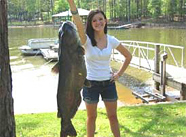
Catfish are found in most waters in Alabama. Major lakes like Bankhead Lake, Bartlett’s Ferry Reservoir, Bear Creek Reservoir, Big Creek Lake, Cedar Creek Reservoir, Gainesville Lake, Jones Bluff Reservoir, Jordan Lake, Lake Eufaula, Lake Guntersville, Lake Harding, Lake Martin, Lake Mitchell, Lake Oliver, Lake Tuscaloosa, Lake Wedowee, Lay Lake, Lewis Smith Lake, Logan Martin Lake, Millers Ferry Reservoir, Neely Henry Lake, Pickensville Lake, Pickwick Lake, R E Bob Woodruff Lake, R L Harris Reservoir, Smith Lake, Walter F. George Lake, Weiss Lake, West Point Lake, Wheeler Lake, William Bill Dannelly Reservoir, Wilson Lake, Yates Lake and other lakes have abundant populations of catfish. Additionally catfish are found in most rivers and streams throughout the state.

Catfish in Alabama
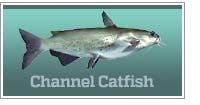
Channel catfish
World record: 58 lbs 0 oz
State Record: 40 lbs 0 oz
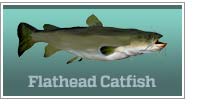
Flathead catfish
World record: 123 lbs 9 oz
State Record: 80 lbs 0 oz
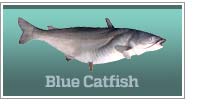
Blue catfish
World record: 143 lbs 0 oz
State Record: 120 lbs 4 oz
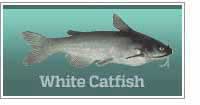
White catfish
World record: 22 lbs 0 oz
State Record: 10 lbs 5 oz
Click the images and links above for species details.
Alabama State Record Catfish
The state record channel catfish was caught from Inland Lake.
The state record flathead catfish came from the Alabama River.
The state record blue catfish came out of Holt Reservoir.
The state record white catfish came out of Chambers Co. Public Lake.
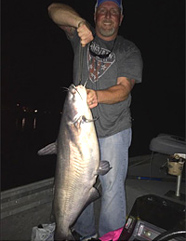
Jason Trahan has found shrimp soaked in Anise has been one of the most effective baits for catching catfish in Alabama. 90% of his catches are channel cats and about 10% are blue catfish. This is a blue catfish that weighed 23 pounds and measured 36.5 inches in length. It was caught out of Lake Neely Henry.
Additional catfishing information resources.
U.S. Catfish Anglers Tournaments
States with catfish.


ALABAMA