
Panfish & Sunfish Fishing In North Carolina


Guide to catching sunfish, bluegill, panfish and perch in lakes and ponds
Last updated on .
Throughout the state of North Carolina you can find waters with populations of panfish, including bluegill, flier sunfish, green sunfish, pumpkinseed sunfish, redbreast sunfish, redear sunfish, warmouth, white bass, white perch and yellow perch.
Sunfish & Pan Fish Fishing Options
Bluegill Fishing Basics Video
The core principles shown in this video will work for most sunfish, perch and other panfish.
What Are Panfish?
Sunfish and panfish are terms encompassing various freshwater species like bluegill, sunfish, and perch. Panfish are opportunistic feeders, consuming a diverse array of prey. Their diets commonly consist of aquatic insects, small crustaceans, and even smaller fish. However, different species of sunfish preferences may shift based on seasonal variations and local conditions. During warmer months, when insect activity is high, panfish tend to focus more on insects and larvae. As temperatures drop, they may switch to feeding on smaller fish, worms or crustaceans.
Types Of Panfish
Mostly from the sunfish family, panfish that we cover in this website include bluegill, eight species of sunfish, rock bass, white and yellow bass, and white and yellow perch. Panfish are prolific spawners and repopulate the waters as fast as they are harvested.
Sunfish Size
Bluegill, perch and sunfish generally range from less than half a pound to over 4 or 5 pounds at world-record size. The world record for tilapia is over 9 pounds.
Fishing For Panfish
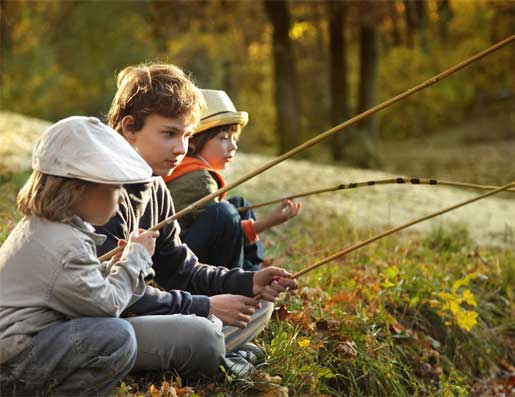
Sunish are eager feeders, making them an excellent target for youth fishing outings. The most popular method is using ultralight tackle, such as light rods and small reels, paired with tiny hooks and light line - ideally 2-6-pound.
Annually, panfish exhibit predictable movement patterns influenced mostly by water temperature and spawning instincts. As temperatures rise in spring, panfish migrate from deeper waters towards shallow areas, where they spawn. This migration provides anglers with prime opportunities to catch panfish, as they tend to congregate in large numbers. At this time, they will be found in shallow bays, spawning beds, or near submerged vegetation. In summer and winter they drop into deeper water.
Pan Fish Baits And Lures
Baits like live worms, insect larvae, and small minnows are commonly used to entice bites. Tiny jigs, spinners, soft plastics, and prepared baits are also effective. Miniature size is important to mimic the delicate feeding habits of freshwater panfish. A small bobber or float can be attached to the line to suspend the bait at a desired depth. Experiment with colors and sizes to match the preferences of the targeted species.
Popular Sunfish Species In North Carolina

Bluegill
One of the easiest fish to catch, bluegill are eager to take most types of sunfish bait and lures. They are sight feeders and prefer slightly stained water with little or no current. Bluegill tend to run in schools and congregate near their food supply. These aggressive eaters can survive in most warm-water fisheries, preferring water temperatures ranging from 60° to 85°. Ideal hook sizes are #6 to #10.

Flier Sunfish
Found primarily in the southern part of the USA, flier sunfish prefer rivers and weedy lakes with warmer water temperatures. This is a favorite for private ponds. Its diet can include insects and small invertebrates. Use standard sunfish bait, fished on a size 12 hook. Fliers can be taken on flies and are fun to catch on ultra light equipment.

Green Sunfish
Another species that adds variety to panfish fishing in the state is the green sunfish. While they may not be as numerous as bluegill, they are still sought after by many anglers. The green sunfish is native to lakes and ponds and prefers areas with heavy vegetation or other cover. Use standard sunfish bait, fished on a size 8 to size 12 hook.

Pumpkinseed Sunfish
Shaped much like a pumpkin seed, it often has body coloring similar to a pumpkin color. The favorite habitat of the pumpkinseed sunfish is weed-covered lake bottoms in preferably clear water. They thrive in warmer water temperatures ranging from mid seventies to low eighties. Use standard sunfish bait, fished on a size 8 to size 12 hook.

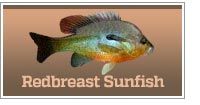
Redbreast Sunfish
The males are quite colorful with red, orange or yellow breasts, and dark green upper bodies. Females are colored the same but in drab shades of the same colors. Redbreast sunfish are also commonly called longear bream, redbreasted bream and yellowbreast bream., Use standard sunfish bait fished on a size 10 to size 12 hook.

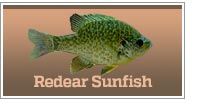
Redear Sunfish
Also known as shellcrackers, redear sunfish are less common but can be found in certain waters throughout North Carolina. They are slightly larger than bluegill and are recognized for their distinctive red ear flap. The red stripe along the edge of the ears is the distinguishing mark for males, and is orange on females. Use standard sunfish bait, fished on a size 8 to size 10 hook.

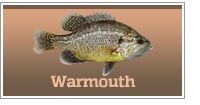
Warmouth
The warmouth sunfish has a larger mouth than most sunfish and can eat larger prey. Adult warmouths feed on insects, mollusks, minnows and small fish. They prefer sandy bottoms of quiet areas in creeks, streams and rivers. They look for heavy vegetation to use as cover. Use standard sunfish bait, fished on a size 6 to size 10 hook.

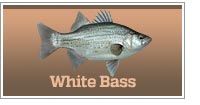
White Bass
Often called sand bass, stripes, barfish and silver bass, white bass have silver sides with horizontal dark stripes. They are a good fighter, fun to catch and tend to run in schools, often schools of several hundred or more. Their primary diet is bait fish and other smaller fish but they also eat worms and insects. Fish for white bass on light tackle with jigs, spoons, minnow-imitation lures and live bait.

White Perch
The white perch is named for its color which is generally white or silver with shades of adaptive color from its environment to help it hide from predators. They are a good tasting fish, are quite prolific and can be considered a nuisance in some waters. White perch make a great fish fry with nice filets coming from ones approaching a pound. For bait, use worms, minnows, jigs, spoons and very small lures imitating baitfish.

Yellow Perch
Yellow perch are found in ponds, lakes, and slow-moving rivers, ideally in clear water near vegetation. They are often misnamed as perch, rock perch and many other names. Their primary diet consists of minnows and other small fish, insects and worms. Yellow perch prefer water temperatures from 66 to 70 degrees but remain active in temperatures outside this range. They are a favorite of many ice fishing enthusiasts.
Sunfish fishing in North Carolina is a great way to introduce kids to the joys of fishing. The small size of these fish makes them perfect for small anglers. Their willingness to bite ensures a positive experience for young anglers. Taking kids fishing is a great investment in their future. With numerous youth fishing events and family-friendly locations across the state, panfish fishing in North Carolina is a fantastic way to create lasting memories and foster a love for the outdoors in the next generation of anglers.
Best Sunfish, Bluegill, Panfish & Perch Lakes
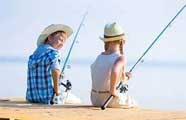 Major lakes in the state with populations of sunfish include Apalachia Lake, Badin Lake, Belews Lake, Blewett Falls Lake, Buckhorn Reservoir, Chatuge Lake, Cheoah Lake, Falls Lake, Fontana Lake, Graham-Mebane Lake, Harris Lake, High Rock Lake, Hiwassee Lake, Hyco Lake, Jordan Lake, Kernersville Lake, Kerr Lake, King Mountain Reservoir, Lake Benson, Lake Cammack, Lake Crabtree, Lake Gaston, Lake Glenville, Lake Hickory, Lake Higgins, Lake James, Lake Mackintosh, Lake Mattamuskeet, Lake Nantahala, Lake Norman, Lake Rhodhiss, Lake Sutton, Lake Tillery, Lake Townsend, Lake Waccamaw, Lake Wheeler, Lake Wylie, Mayo Reservoir, Mountain Island Lake, Moss Lake, Phelps Lake, Randleman Lake, Roanoke Rapids Lake, Salem Lake, Santeetlah Lake, Shearon Harris Reservoir, Tar River Reservoir and W Kerr Scott Reservoir.
NC State Fish Records
In-state panfish, sunfish and perch
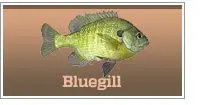
Bluegill
world record: 4 lbs 12 oz
state record: 4 lbs 5 oz
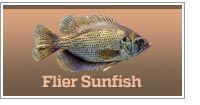
Flier sunfish
world record: 1 lbs 4 oz
state record: 1 lbs 5 oz
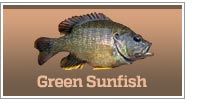
Green sunfish
world record: 2.2 lbs
state record: 1 lbs 14 oz
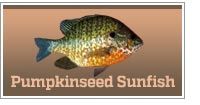
Pumpkinseed sunfish
world record: 2 lbs 4 oz
state record: 1 lbs 6 oz
Redbreast sunfish
world record: 2 lbs 0 oz
state record: 1 lbs 12 oz
Redear sunfish
world record: 5.4 lbs
state record: 4 lbs 15 oz
Warmouth
world record: 2.4 lbs
state record: 1 lbs 13 oz
White Bass
world record: 6.8 lbs
state record: 5 lbs 14 oz
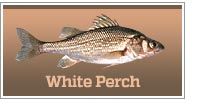
White perch
world record: 4.6 lbs
state record: 2 lbs 15 oz
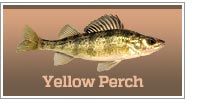
Yellow perch
world record: 4 lbs 3 oz
state record: 2 lbs 9 oz
Click the images and links above for species details.
State Record Sunfish
The state record bluegill was caught somewhere in Henderson County.
The state record flier sunfish was taken from a private pond.
The state record green sunfish came from a farm pond in Caswell County.
The Trent River served up the state record pumpkinseed sunfish.
The Big Swamp in gave up the state record redbreast sunfish.
The state record redear sunfish came from a private pond.
The state record white perch came from Falls Lake.
The state record yellow perch came out of Indiantown Creek.
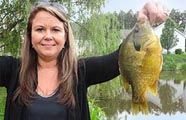 Lori Hall with a dandy sunfish caught from a local pond in Durham County, North Carolina.
Sunfish fishing information in other states


NORTH CAROLINA