


Fishing Report For Lake Glenville, NC


By Rick Seaman
Last updated on .
Fishing Reports
Popular Fish Species Lake Glenville, NC
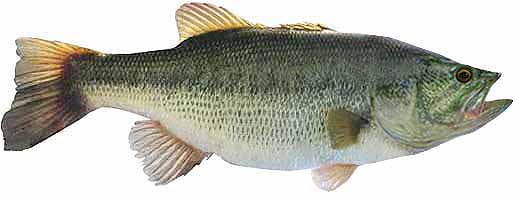
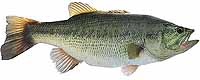
Largemouth Bass
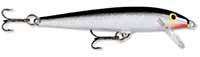
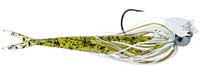
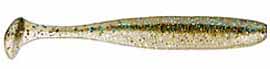
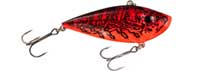
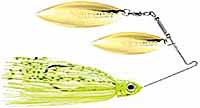
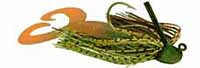
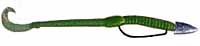
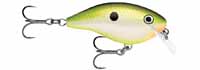



Current Report: Good To Very Good
Thanks to a bountiful supply of bluegill and blueback herring, Lake Glenville has a ton of big bass swimming its waters.
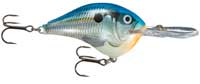
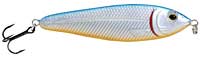
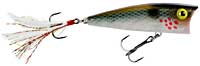
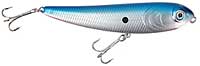
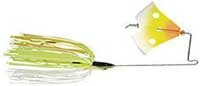
FALL. Now that Fall is in full swing, bass here have moved shallow, following schools of baitfish into coves and shallow bays around 6 to 18 feet of water. Shallow gravel flats, coves and protective bays off the Pine Creek and Powerhouse areas are holding bait and bass. Currently topwater, jerkbaits, crankbaits, and slow-rolled spinnerbaits are catching most of the bass. Later in Fall, as deeper water cools, bait and bass move out to ledges, channel edges, points and humps where flutter spoons, jigs and drop shots are often good choices in 12 to 25 feet of water.
WINTER. Winter will isolate largemouth around slightly deeper structure, flats, points and creek channels. They can be found from 15 to 35 feet deep. Here they hold, feeding less frequently, awaiting warmer water to return in Spring. Slow presentations, like a Carolina rig, are key to getting bites. On warmer days, especially during late afternoons, bass may move into 6 to 12 feet of water to feed.
SPRING. Once water temperatures rise into the low 60's, largemouth will move from deep wintering holes, to shallower water nearby spawning areas. Anglers report good topwater action from mid Spring through Summer, especially early in the morning, and on cloudy days. Vibrating jigs, jerkbaits and spinnerbaits typically get bites just away from the shoreline. At this time they are feeding aggressively in about 2 to 10 feet of water, and preparing for the spawn. Pine Creek and Powerhouse areas with rip rap or gravel flats typically hold good numbers of bass. Once water warms into the mid to high 60's, they will move into 2 to 5 feet of water, and create nests, then lay their eggs. Immediately afterwards, females move to deeper water and males remain to guard the eggs, and then the fry. After a couple weeks, the males also move to slightly deeper water, around 6 to 18 feet deep. Deep-diving crankbaits, vibrating jigs, plastic worms, jigs, worms, and swimbaits catch bass during this period.
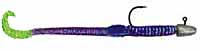
SUMMER. Water temperatures will warm considerably in Summer. Bass will feed shallow, early and late in the day, where they will be caught in 8 to 25 feet of water, on square-bill crankbaits and spinnerbaits. Wacky-rigged stick worms always catch finicky bass when the bite is slow. Largemouth bass here feed on shad, herring, small sunfish and crawfish. During the hotter parts of the day, they are being caught on points, channel edges, and ledges 15 to 35 feet deep. Some of the best reports seem to be from anglers fishing around weed line edges.
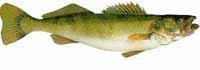
Walleye
Current Report: Good
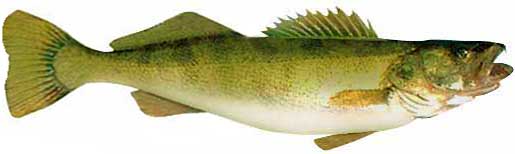
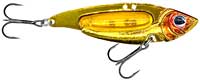
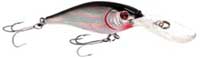
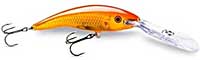
Due to a continual stocking of walleye, Lake Glenville has a very solid population of quality fish. Spring and Fall are reported to be the best time of year to catch quality walleye here.
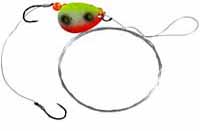
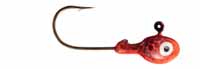
FALL. Fall brought cooler temperatures to shallow water, drawing walleye and baitfish shallower. Walleye continue to be a major draw for anglers. Locals report catching nice walleye on long points, flats along the river and creek channels, and structure off shore. The large main-lake basin near the dam, around the Pine Creek arm, and the rocky points nearby Signal Ridge Marina are well known for good walleye fishing. Jigs, swimbaits, spoons, crankbaits, jerkbaits, and spinnerbaits are all historically good for catching walleye this time of year. Early and late in the day finds them in 20 to 25 feet of water, mid day they hold 25 to 45 feet deep. Later in Fall, they move out slightly deeper. Dragging jigs, bottom bouncers, or worm harnesses with nightcrawlers or leeches, around ledge drop-offs is catching walleye fairly consistently. Watch for the bigger walleye to be slightly deeper than the majority of the school.
WINTER. This Winter, fishing for walleye has been pretty good through the ice, as it has been for the last few years. Before, during and after the ice, anglers report catching them deep near the dam, and the main basin area, up to 100 feet deep. Most are caught in 40 to 80 feet of water, along deep creek channel edges, rocky humps and ledges. Steep drops in the area toward the dam are also producing during these cold months. They primarily feed on small fish, staying close to the bottom. After ice-out blade baits, jigs, swimbaits, spoons, deep-diving crankbaits, and worm harness spinners, all work while deep trolling or drifting.
SPRING. Early Spring brings warming water in the shallows, and draws walleye here to feed, especially rocky areas and inlet channels. In Spring work points, drop offs, submerged structure, rock ledges, flats and flats adjacent to deeper water. Here, in 4 to 20 feet deep, they will spawn once the water warms to the mid to high 40's. When they move shallow, bright colored jigs, tipped with minnows or nightcrawlers typically catch them. Spinnerbaits, jerkbaits and crankbaits are also working when walleye are up shallow. Afterwards, they move to 20 to 30 feet deep around points, flats, shoals and ledges, nearby shore, often staying in close proximity to their spawning locations. Main lake drop offs are often produce nice fish.
SUMMER. Water temperatures rise in Summer, and walleye fishing is good if you can get your bait deep enough. Early in Summer, walleye tend to concentrate in 30 to 40 feet of water. Throughout Summer, early in the morning, and from dusk to long after dark are good times to catch walleye. At those times they move slightly shallower to feed in low-light conditions. Night fishing is often good in Summer, as well. The rest of the time they are cruising flats and creek channel edges, 40 to 100 feet deep , preferring the cooler temperatures. When the bite is slow, grubs and nightcrawlers, fished just off the bottom typically catch walleye.
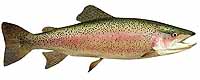
Rainbow Trout
Current Report: Good To Very Good
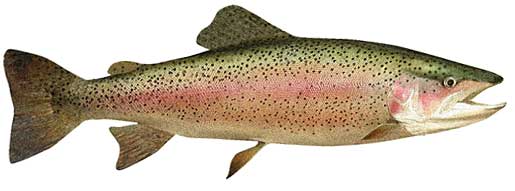
Thanks to stocking efforts by the NC Wildlife Resources Commission, Lake Glenville is a popular rainbow trout fishery.
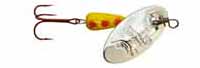
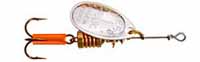
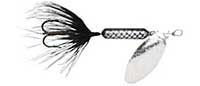
FALL. Cooling water temperatures in the shallows, draw rainbow trout out of deeper Summer depths. Anglers are now catching them 10 to 30 feet deep on rocky banks, wind-blown points, rocky structure, humps, and anywhere baitfish are gathering. The Mill Creek arm, the splash-down pools at Norton Falls and Hurricane Falls, and the channel of the Pine Creek arm, are all good choices in Fall. Now that they had a full summer to grow, there are some nice size rainbow to be caught. Small spinners, spoons, jigs, miniature crankbaits and swimbaits are good choices, as are salmon eggs and prepared baits. Later in Autumn, they move into 15 to 25 feet of water.
WINTER. When Winter sets in jigging spoons, and jigs tipped with bait, are catching nice limits of rainbows out of 10 to 40 feet of water. The shallower rainbows are found where in-flowing water offers warmer water and potential food. Deeper fish are caught off shore while trolling with leaded line or downriggers, or vertical jigging with spoons and jigs.
SPRING. As water begins to warm in early Spring, rainbow trout move from their late winter holding areas to shallow, warmer water 2 to 15 feet deep. A good number of rainbows are typically caught from mid morning to late afternoon, during the warmest water of the day. Shallow flats and rocky structure are quick to warm in the afternoon sun. A wide variety of small spinners, spoons and bait are catching most of the fish. Additional rainbows are still holding in 20 to 30 feet of water.
SUMMER. Once Summer is here to stay, the warmer water drives rainbow deeper, 20 to 50 feet deep, occasionally deeper. Trolling with spoons, spinners and crankbaits, using downriggers or leaded line, and drift fishing with bait, are currently the most productive methods. Following drop-offs into deeper water, along structure or creek channels, is often a major key to getting bites. Anglers fishing from the bank are using nightcrawlers or Berkley PowerBait, with heavy weights on a Carolina rig, to get baits into deeper water.
Fishing Video
Fish species to fish for...
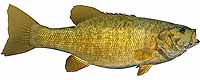
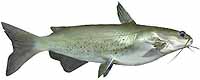
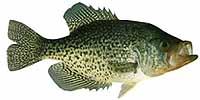
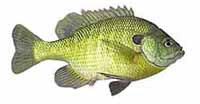
Guide to fishing for largemouth bass, smallmouth bass, channel catfish, black crappie, walleye, rainbow trout, bluegill and bream at Lake Glenville in North Carolina.
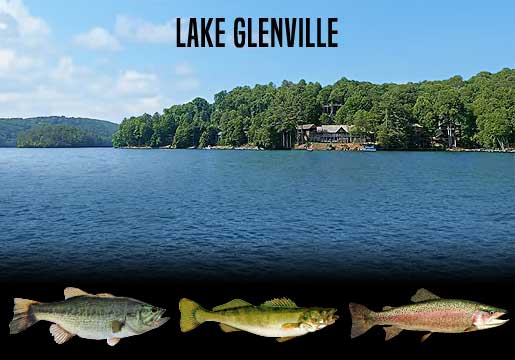
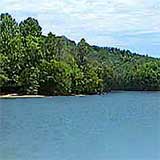
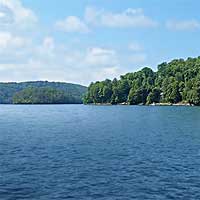 Lake Glenville is a 1,470-acre lake with 26 miles of shoreline, in the southwest part of the state. In addition to great bass fishing, these waters provide opportunities for crappie, catfish, trout, sunfish and walleye anglers to enjoy some excellent fishing. Pockets, points, coves and channels provide a wide variety for the many fish species in the lake to hold and feed.
Primary fish species to catch
Click images for fishing tips and details about each species.
Today's Weather & Forecast
Fishing Boat Rentals
Click here for fishing boat rentals.
Marinas
Click here for marinas.
Public Boat Launch Ramps & Landings
Click here for boat ramps.
Fishing License
Click here for a North Carolina Fishing License.
Lake Glenville, NC Map - Fishing & Access
 Rick Seaman is a fishing enthusiast with over five decades of fishing experience, a retired tournament fisherman, author of numerous published articles on fishing, and co-author of the book "Bass Fishing - It's not WHAT you throw, It's WHERE you throw it".
 Contact Information
Lakeshore Marina
4623 NC-107
Glenville, NC 28736
828 743-9998
Fishing lakes in each state


111025
Lake Glenville, North Carolina Report
NORTH CAROLINA

Smallmouth bass fishing in southwest NC.
